Spring is a natural time to plan a driveway refresh, yard project, or site improvement. Before arranging gravel or topsoil delivery, put one more item on the checklist: the roads between the material source and your property.
Seasonal load restrictions, often called frost laws, can affect the route, amount carried per trip, and when work can begin. An early conversation helps you plan around those limits.
Why spring roads need extra care
Roads can be more vulnerable to damage during and after the spring thaw. Seasonal weight restrictions help protect paved and gravel surfaces while they are weakened. Chisago County explains this in its Spring Weight Restrictions fact sheet.
Timing depends on conditions. A warm afternoon, clear driveway, or last year’s delivery date does not establish what is allowed today. Check current notices before committing to a delivery plan.
Check the whole route
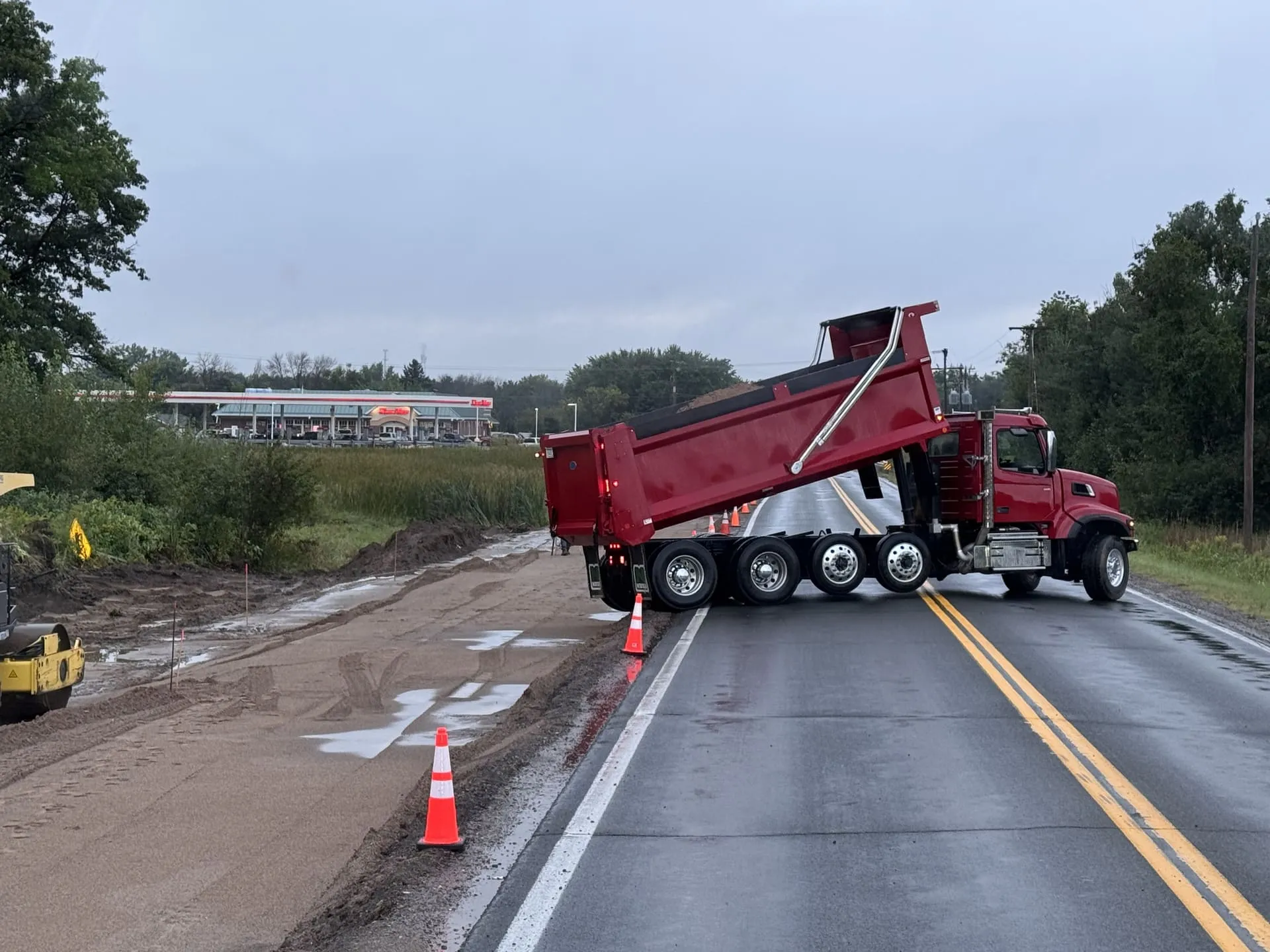
A delivery may cross a state highway, county road, and local street before reaching a private drive. Those segments may have different restrictions and responsible authorities.
MnDOT’s Seasonal Load Limits page covers state and federal trunk highways and directs users to county or city sources for other roads. Start with Chisago County’s Road Restrictions page for county information, then confirm any township or city portion with its maintaining authority.
WisDOT’s seasonal posted-roads guidance covers state-numbered highways and directs county and local questions to those road authorities. A state notice alone does not confirm every road to your site.
Have the delivery address and any known road or bridge postings ready when you call. Ask which parts of the route need checking before delivery is confirmed.
Plan quantity and trips together
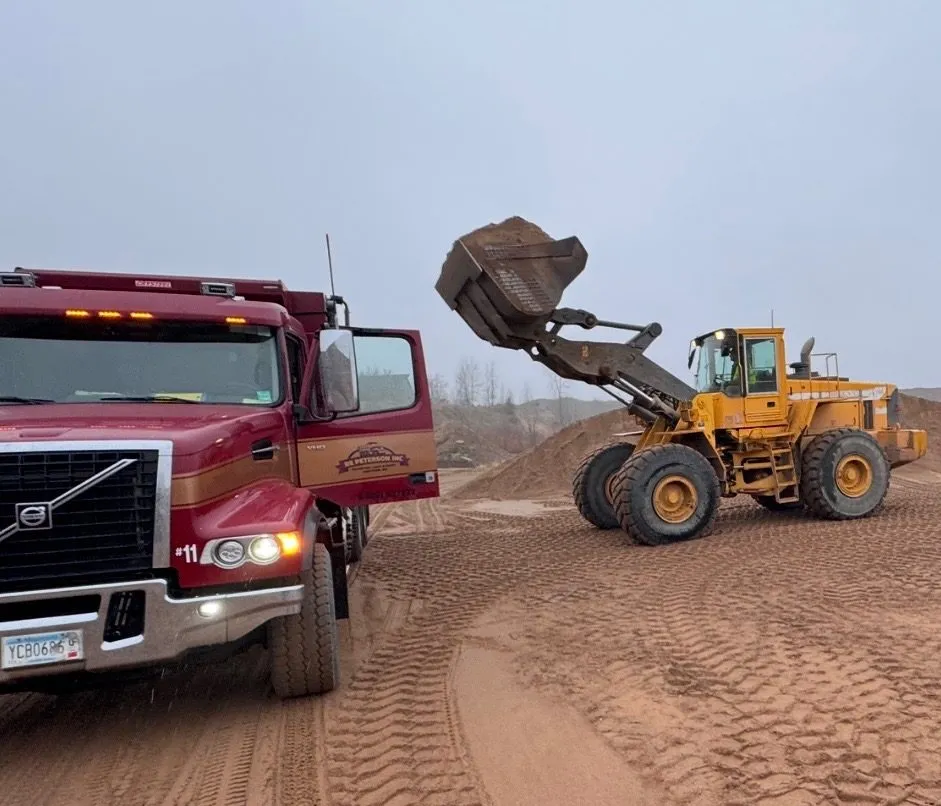
The amount of material a project needs and the amount a truck can deliver in one trip are separate questions. If a route requires a smaller load, the same project quantity may need additional trips. An available alternate route may change the hauling plan. Ask how these options affect the quote and schedule rather than assuming a standard truckload applies.
Share the area, intended use, and measurements. Confirm material, ordering units, and estimated quantity before scheduling. If placement or grading is needed, clarify whether that work is included and how it will be coordinated with delivery.
Do not assume an overweight permit solves a spring restriction.
Permit provisions can change during thaw periods; WisDOT’s divisible-load guidance describes seasonal suspensions and exceptions. Have the hauler confirm what applies to the actual load and route.
Prepare access before the truck arrives
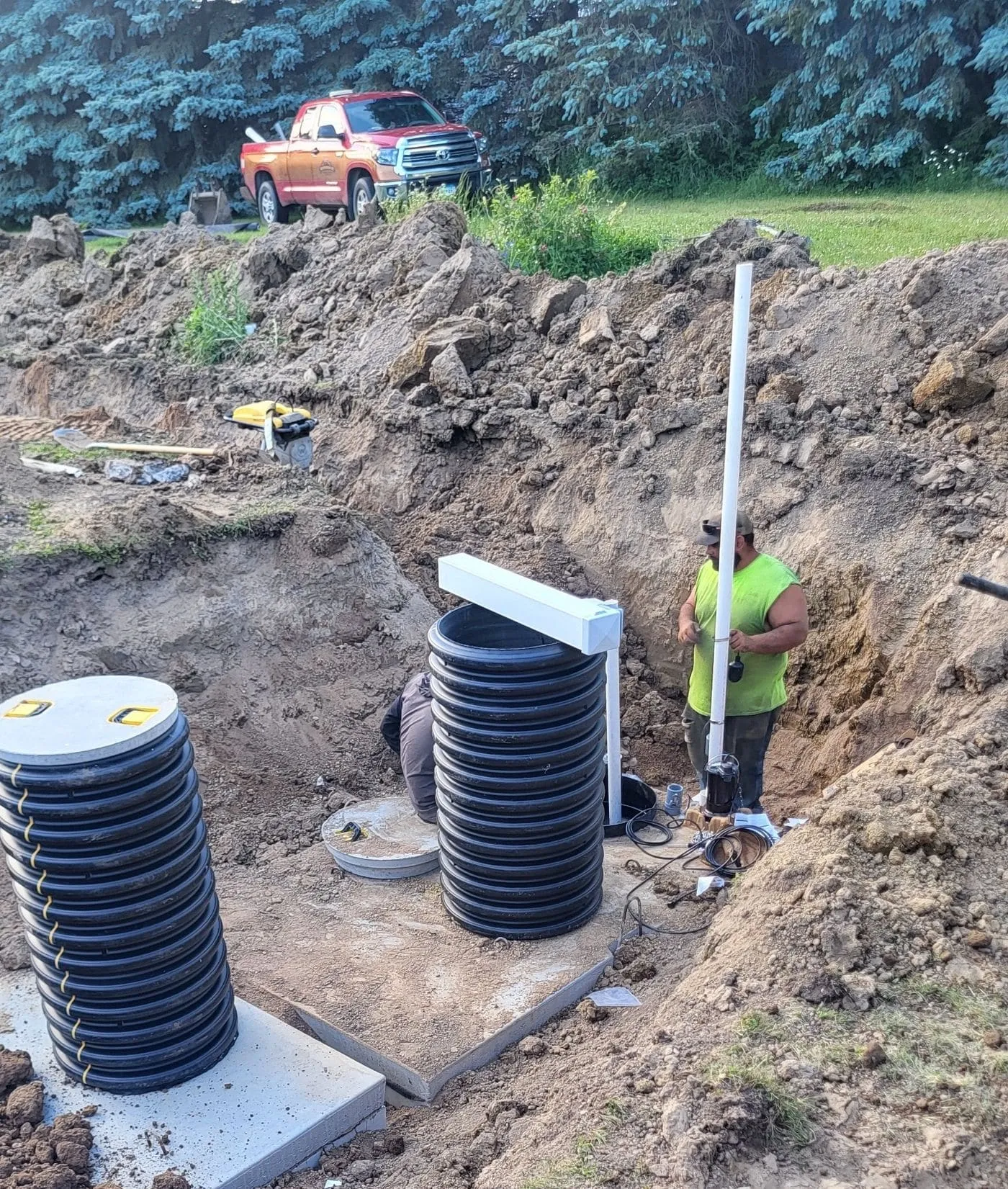
Road access and on-site access both need attention. Discuss the entrance, turning space, slopes, overhead obstructions, and intended unloading location. Flag soft ground, narrow sections, buried systems, or areas that should not carry truck traffic. Photos help explain the layout, but the delivery team still needs to assess access and unloading arrangements.
Keep the approach clear and agree on a suitable drop location before delivery. If conditions change after rain or thawing, call again rather than relying on the original plan.
Call before you set the schedule
Call RE Peterson with your project location, material needs, rough quantity, and preferred timing. Confirm availability, route restrictions, access, delivery arrangements, and pricing before booking dependent work. Flexibility at this stage can make the rest easier to coordinate.