Rock & Boulders

Rock products range from decorative stone and driveway aggregate to specified septic, erosion-control and radon-system materials. Shape, size, cleanliness and fines content determine the right application. Match the material to the design rather than choosing by name alone.

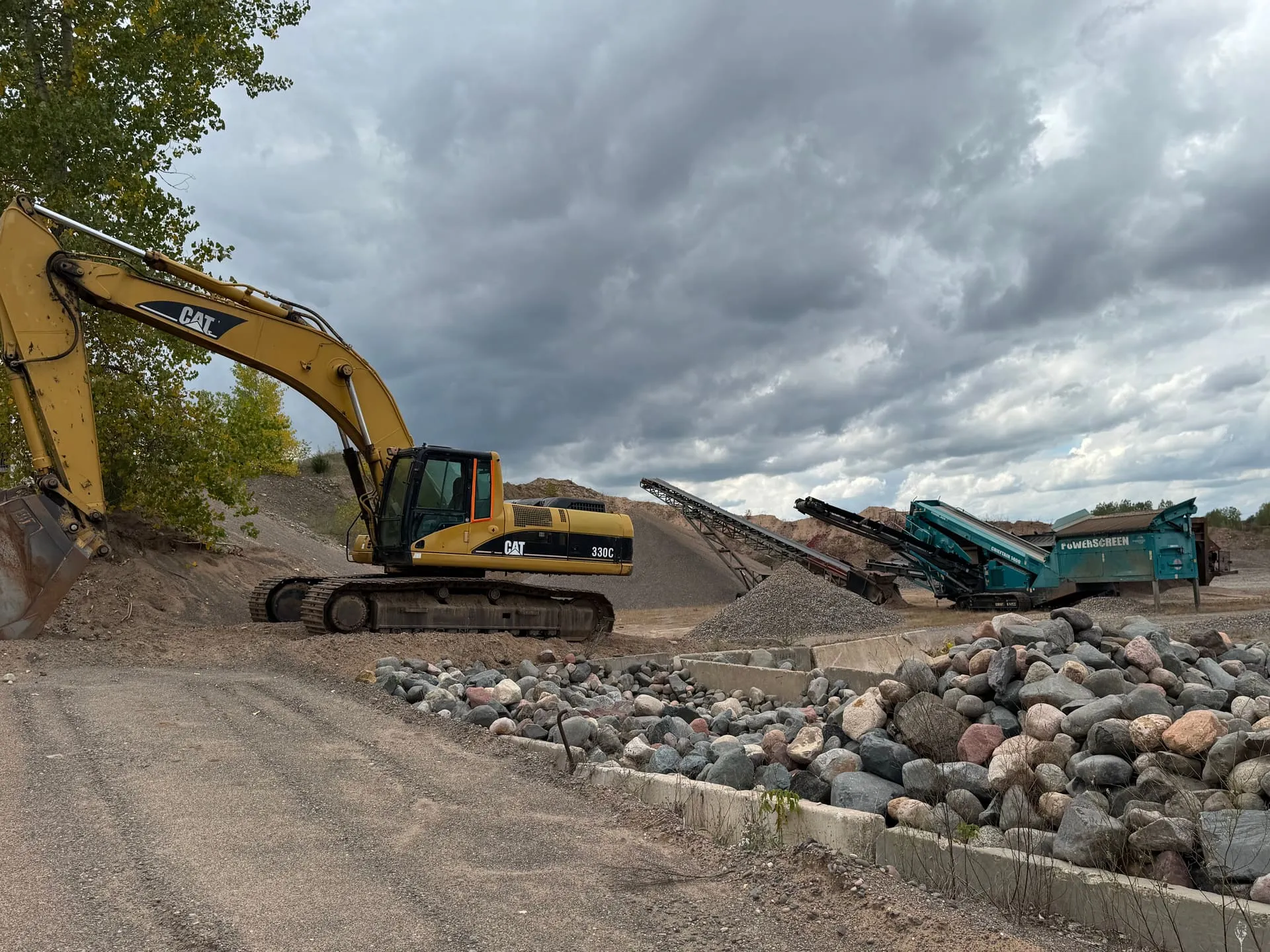
Cat 330C excavator beside a long bin of fieldstone boulders at the pit, with a screening plant and gravel piles behind

The selection

Products & common uses.

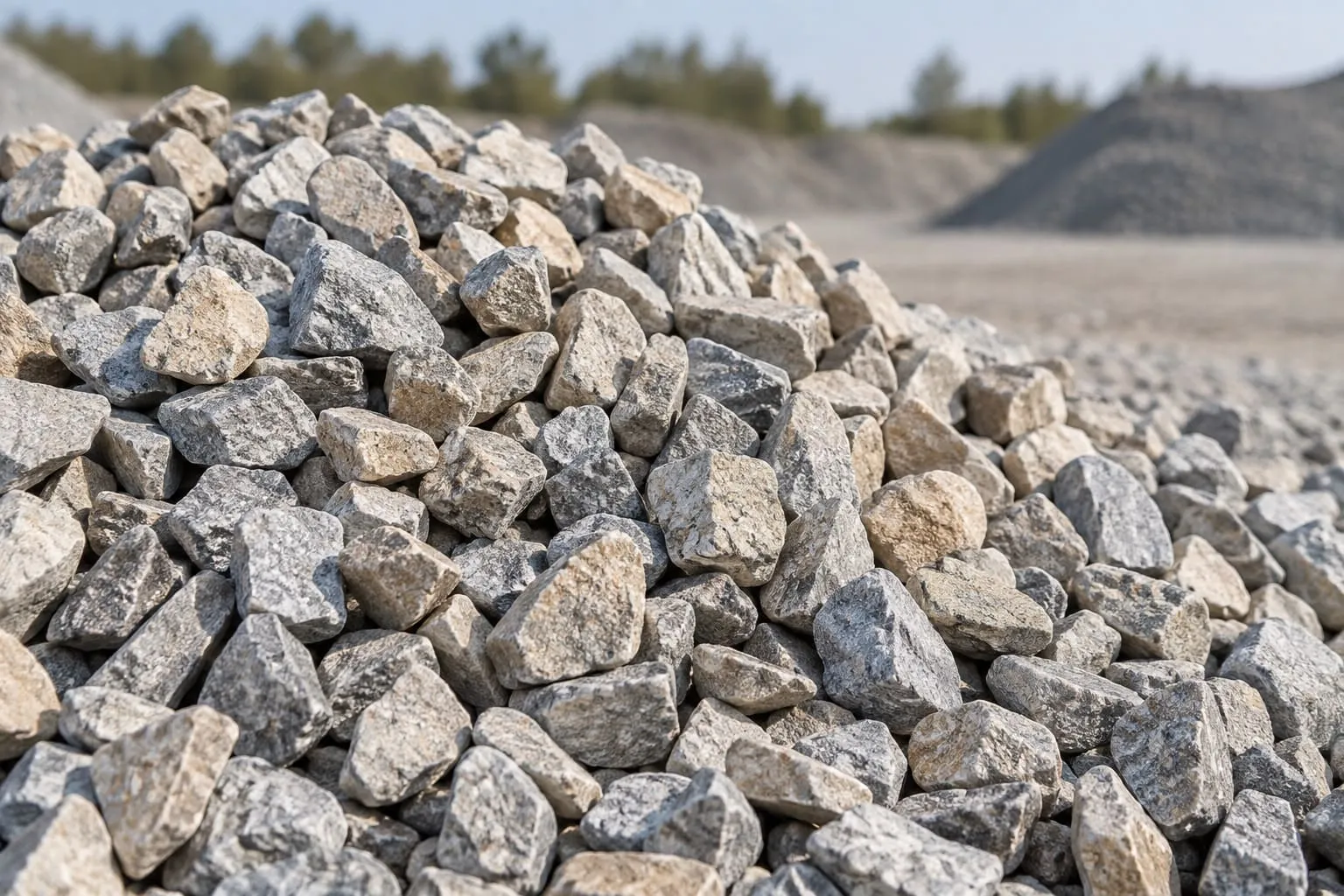
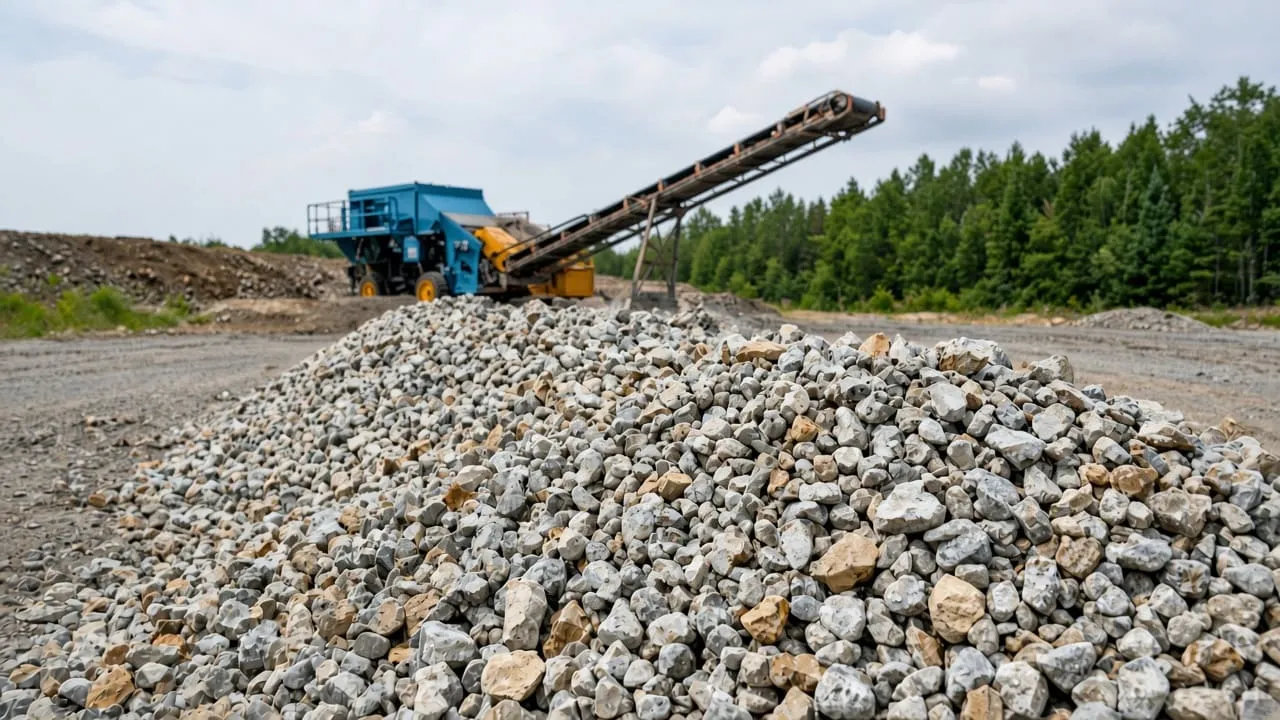
A stockpile of light grey crushed rock near a screener and conveyor

Crushed rock

Crushed rock is stone mechanically broken into angular pieces. Depending on its grading and fines content, it may be used for compacted bases, driveways, drainage or landscaping. Not every crushed-rock product packs tightly, and not every grade drains freely.

Choosing material: Share the required grading and what will sit above and below the layer. Discuss preparation, spreading, and compaction separately from material supply.
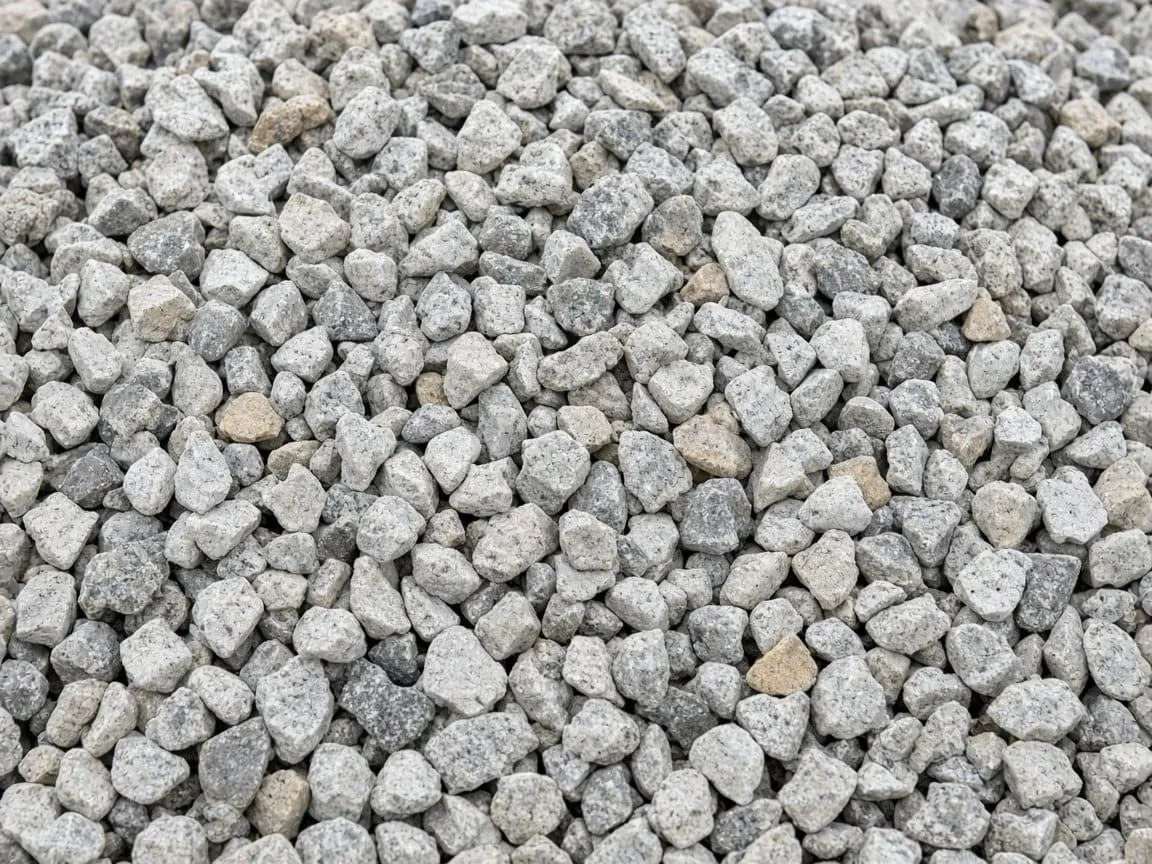
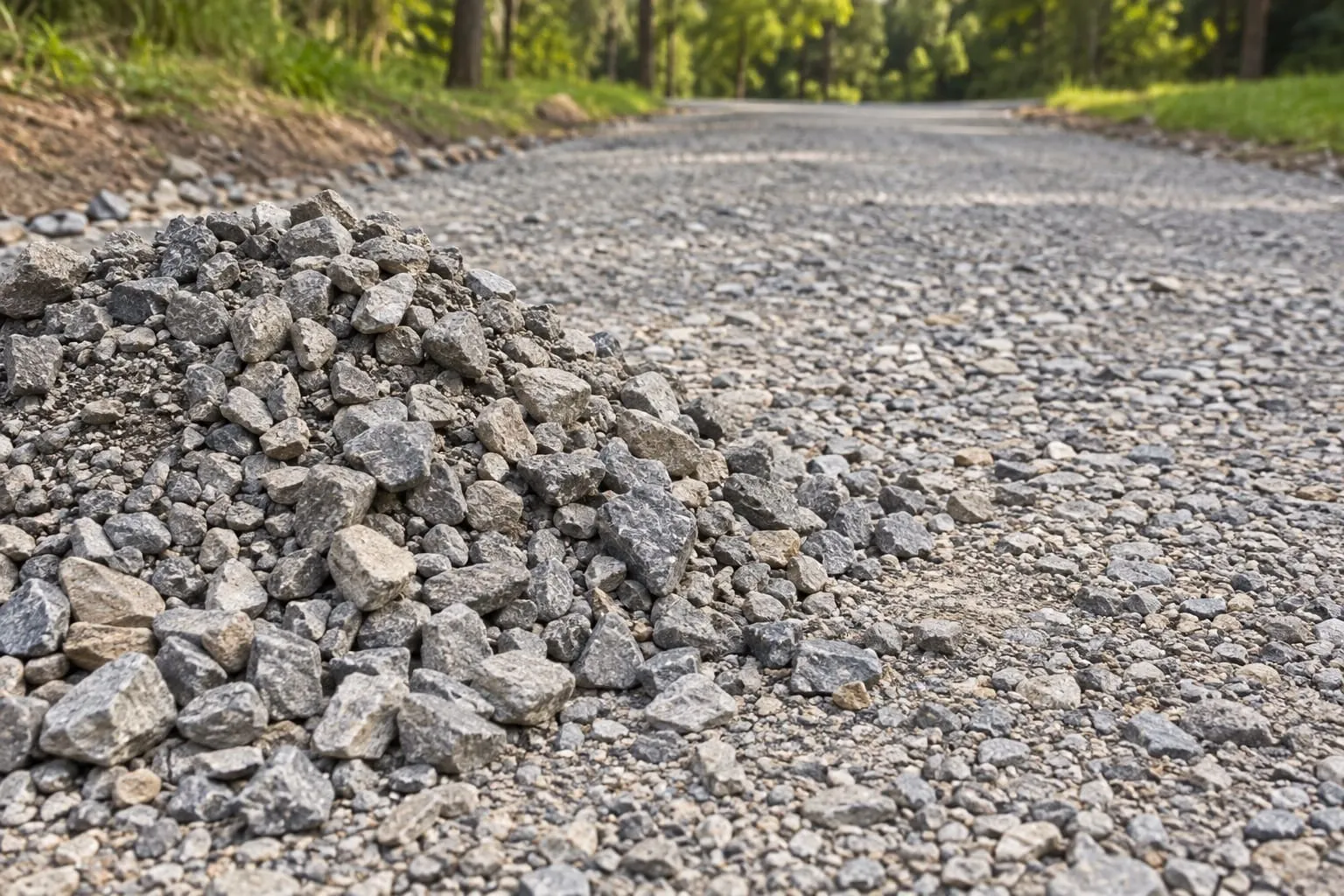
Stockpile of ¾-inch angular crushed rock listed as radon rock

Radon rock

Radon rock is aggregate used to form a gas-permeable layer beneath a building slab as part of a radon-control system. The size listed here is ¾-inch (about 20 mm). Spaces between the stones allow soil gases to move toward collection and vent piping; the rock does not absorb or neutralize radon. Match the aggregate to the building design and required size and cleanliness specifications.

Before you call: Bring the building design, the slab area, and the depth it specifies. Ask whether placement is part of the work.

Pile of driveway rock at the yard

Driveway rock

Driveway rock is a use-based name for aggregate selected for a driveway base, wearing surface or other driveway work. The right choice depends on the supporting ground, drainage and intended traffic. Tell us whether you are building a new drive or resurfacing an existing one so we can discuss the material for that layer.

Class 5 and Class 6 are separate grades on our Gravel page. The class number does not mean larger stone or an upgrade. Note the length, width, and planned depth or estimated quantity, and ask about grading or placement only if that work is part of the job.

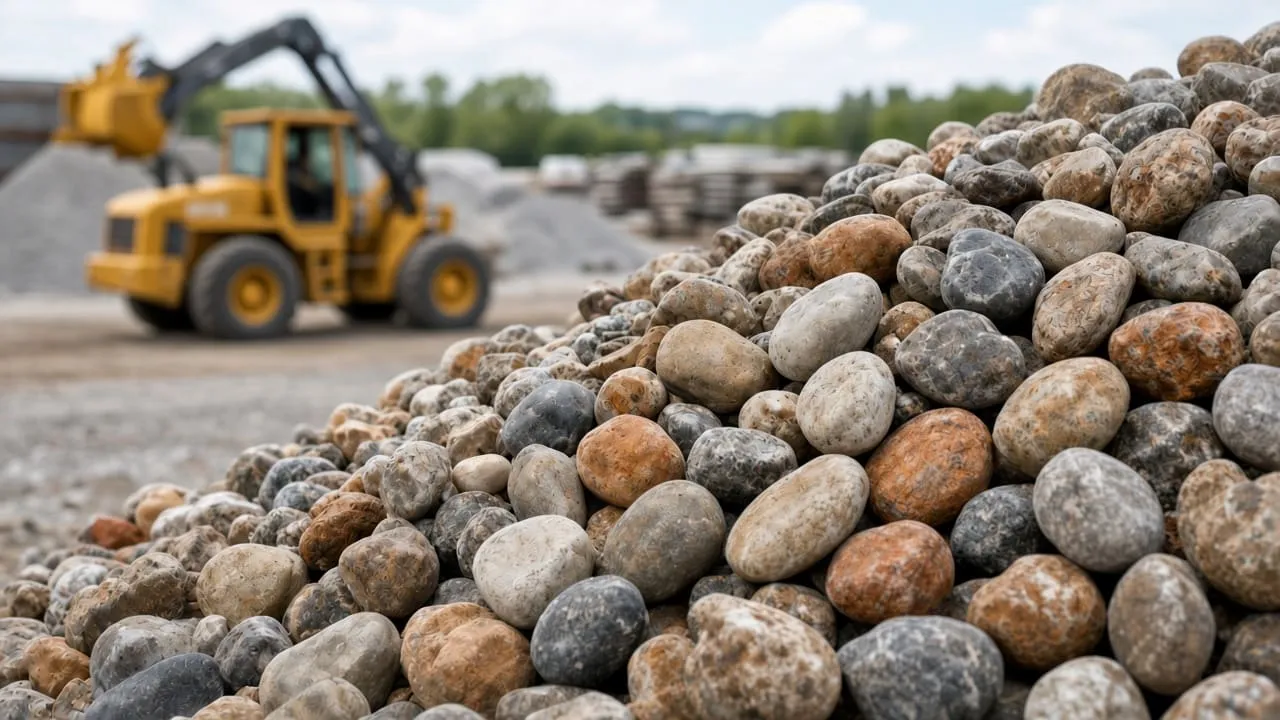
A pile of smooth rounded river rock in mixed colors

River rock

River rock generally describes rounded or water-worn stones used for landscape ground cover, borders and dry-creek features. Suitable clean grades may also serve drainage details. Rounded stone can move more readily than angular base aggregate, so it is not an equivalent compacted road base.

Planning the amount: Measure the area and note the intended depth. If the stone has a drainage role, bring the project specification. For a top-up, photos of the existing stone can help explain what you want to match.

Pile of septic rock at the yard

Septic rock

Septic rock is aggregate selected for the distribution area of a septic-system design. Its role differs from the sand treatment layer in a mound system. Size, cleanliness and required documentation must match the design; generic landscape or crushed rock is not automatically interchangeable.

Before ordering: Share the design’s requirements and any documentation it asks for, and confirm the selected product against them. Coordinate timing and the unloading area with the installer.

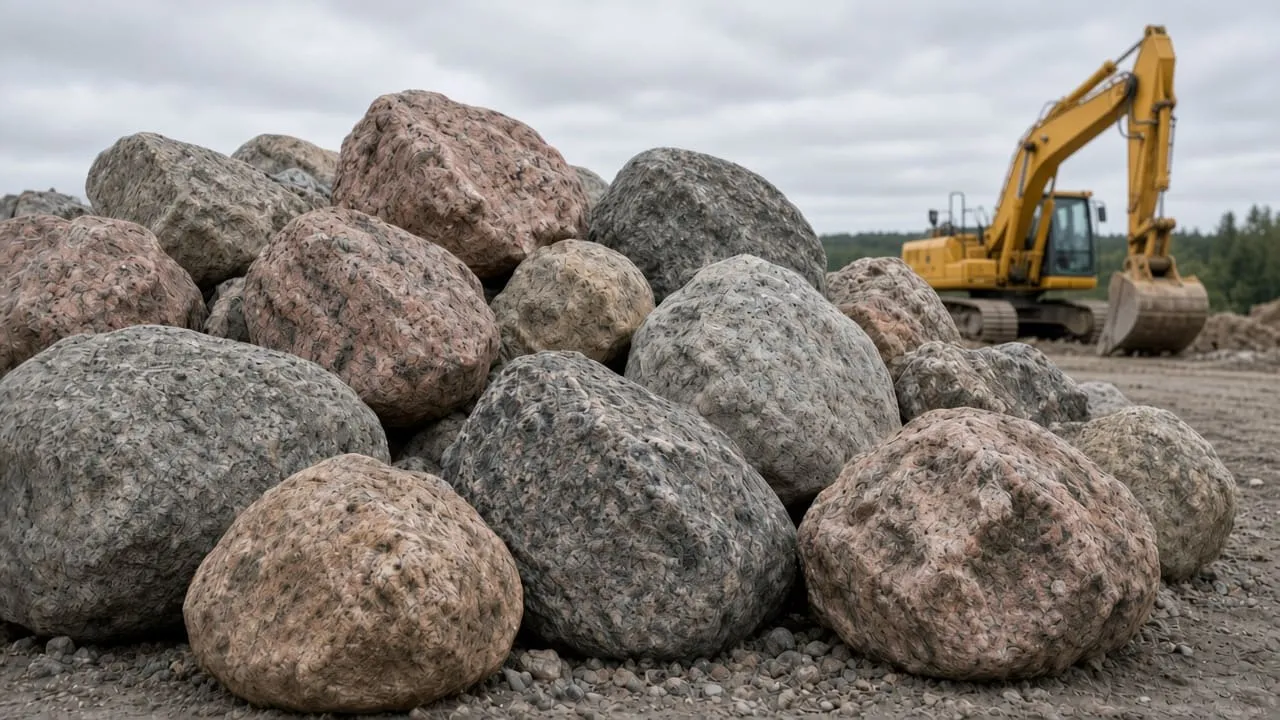
Large rounded fieldstone boulders stacked in a materials yard

Boulders

Boulders are large natural or quarried stones used for landscape focal points, borders and designed rock structures. Shape, dimensions and site access matter when selecting them. Retaining-wall use also depends on the foundation, drainage and structural design—not the product name alone.

Boulders are available in multiple sizes. Describe the size, shape, and number you have in mind, and ask about current choices, including traprock boulders.

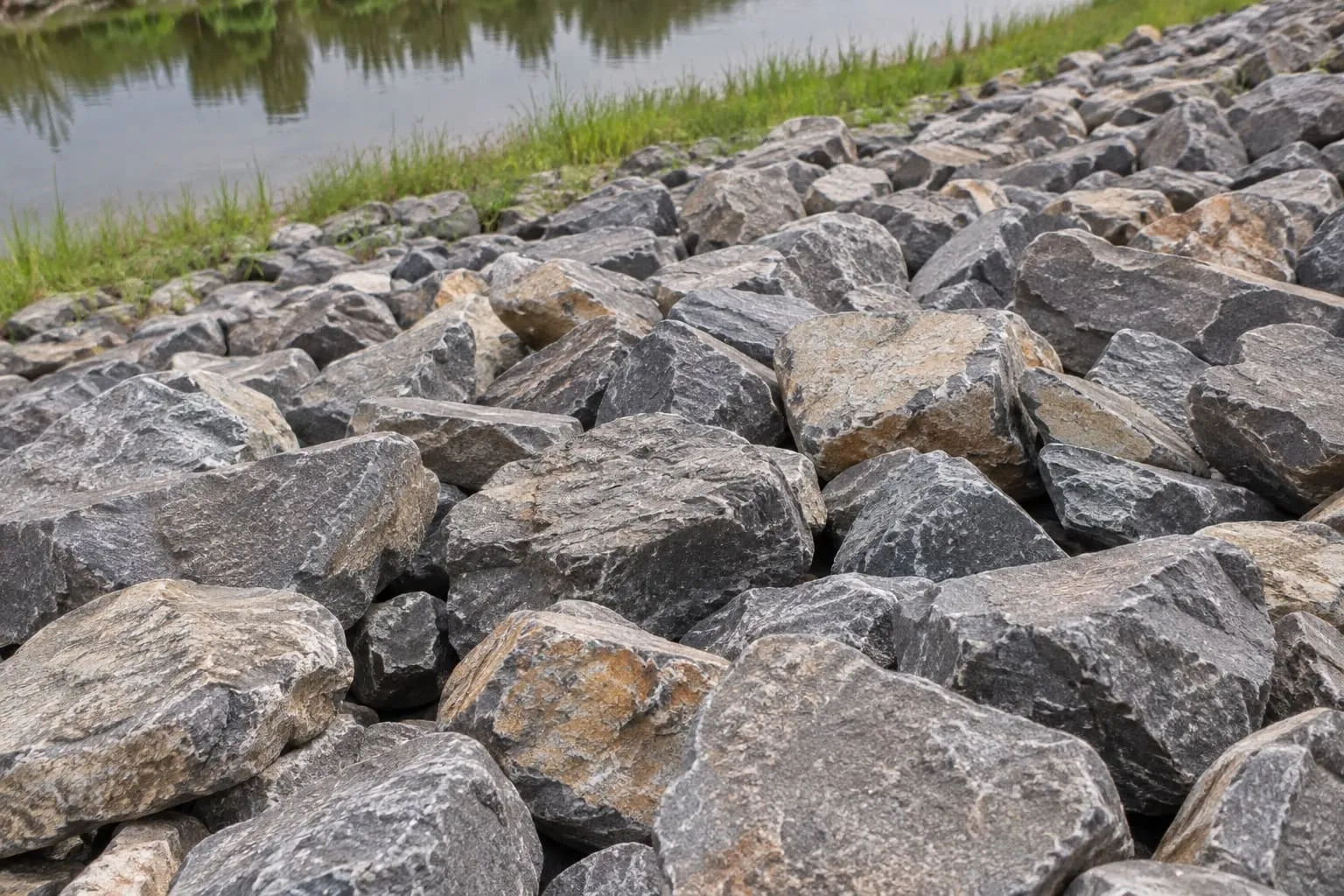
Pile of rip rap stone at the yard

Rip rap

Rip rap is large, durable stone used in designed erosion protection for areas such as ditches, outlets, slopes and shorelines. Stone size and configuration depend on expected water movement and the site design. Shoreline work may also require permits.

Planning the work: Bring the plan’s size and configuration, and discuss access to the placement area. Confirm the material with the project designer before ordering.

Let’s get the details right

Bring your plan.

  1. Start with the use

    Tell us whether the stone is for a driveway, a landscape accent, a septic design, erosion protection, or a radon-control layer. Bring any material specification from your project plan.

  2. Plan the amount

    For loose rock, note the area and planned depth or estimated quantity. For boulders, describe the size, shape, and number you have in mind; photos can help explain the look.

  3. Check access and availability

    Have your location, timing, and truck access details ready. Call to confirm current sizes, grades, pricing, and availability, and discuss pickup, delivery, or placement needs.

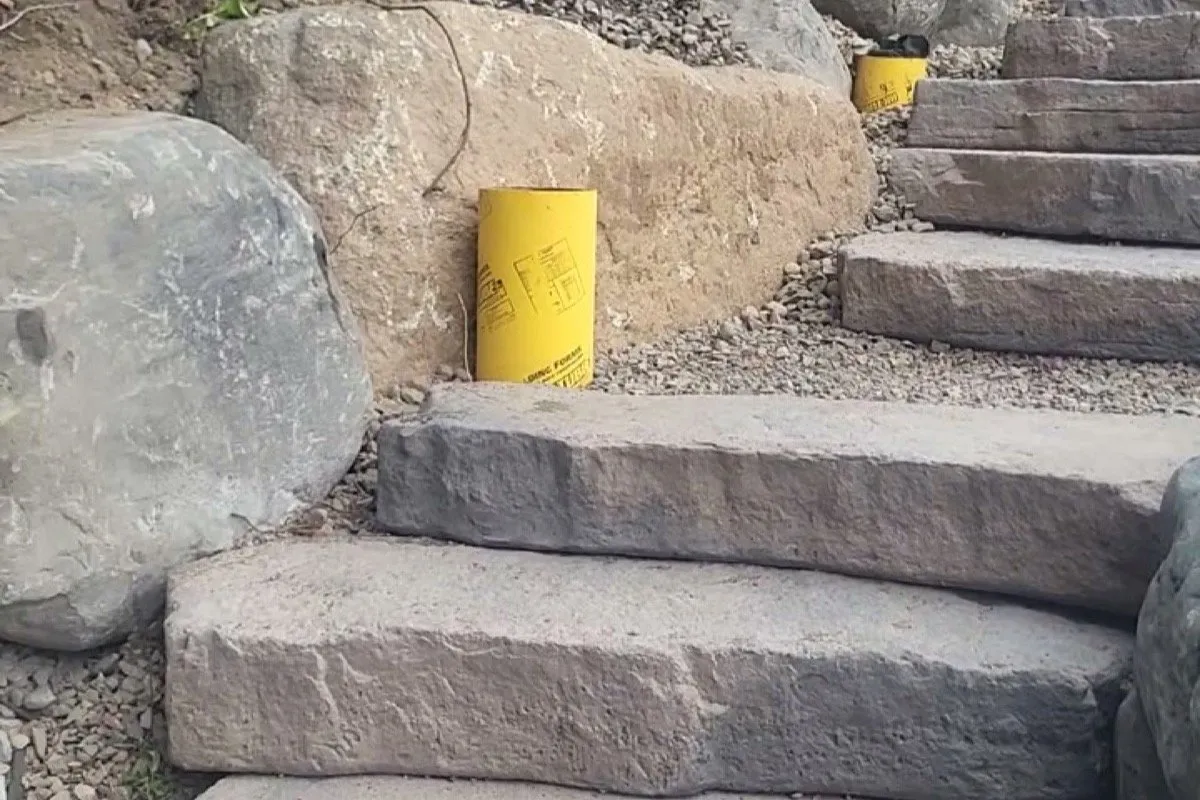
Natural boulders set into a landscaped hillside

Facts from the Pit

A hillside starts with a plan.

Size, shape, and the way onto the site. A few things to consider before choosing boulders for a Minnesota hillside.

Read the boulders article

Ready to talk stone?

Call with the product, an estimated quantity, and your project address. We will discuss pricing, availability, and pickup or delivery arrangements.

30315 Neal Avenue · Lindstrom, MN 55045