Sand

Sand is sold in different particle sizes and processing grades. Fill, septic treatment, riding footing and livestock applications have different requirements. Choose the sand for the intended use rather than treating all sand products as interchangeable.

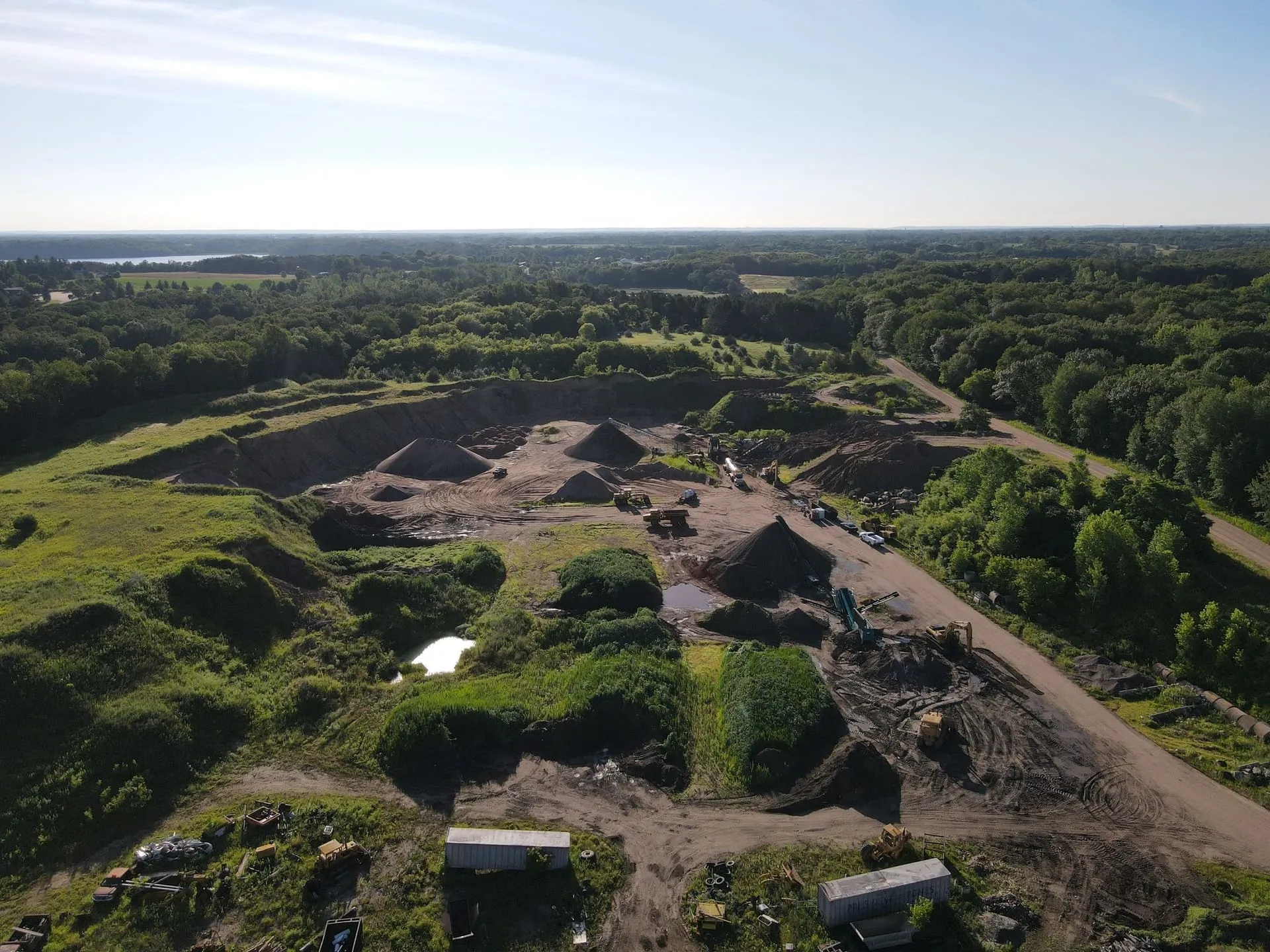
Aerial view of the pit with stockpiles of different gravel and sand types

The selection

Products & common uses.

Pile of animal and livestock sand in a sand and gravel yard

Animal/Livestock sand

Sand for animal facilities needs to match the animal and the intended use. Riding-arena footing and livestock bedding have different requirements for texture, dust, cleanliness and maintenance. Tell us whether you need arena footing or bedding so we can discuss the appropriate material for your project.

Before you call: Tell us the animal and whether the sand is for riding-arena footing or livestock bedding. Those uses are not interchangeable. A product name or photograph is not a recommendation for both.
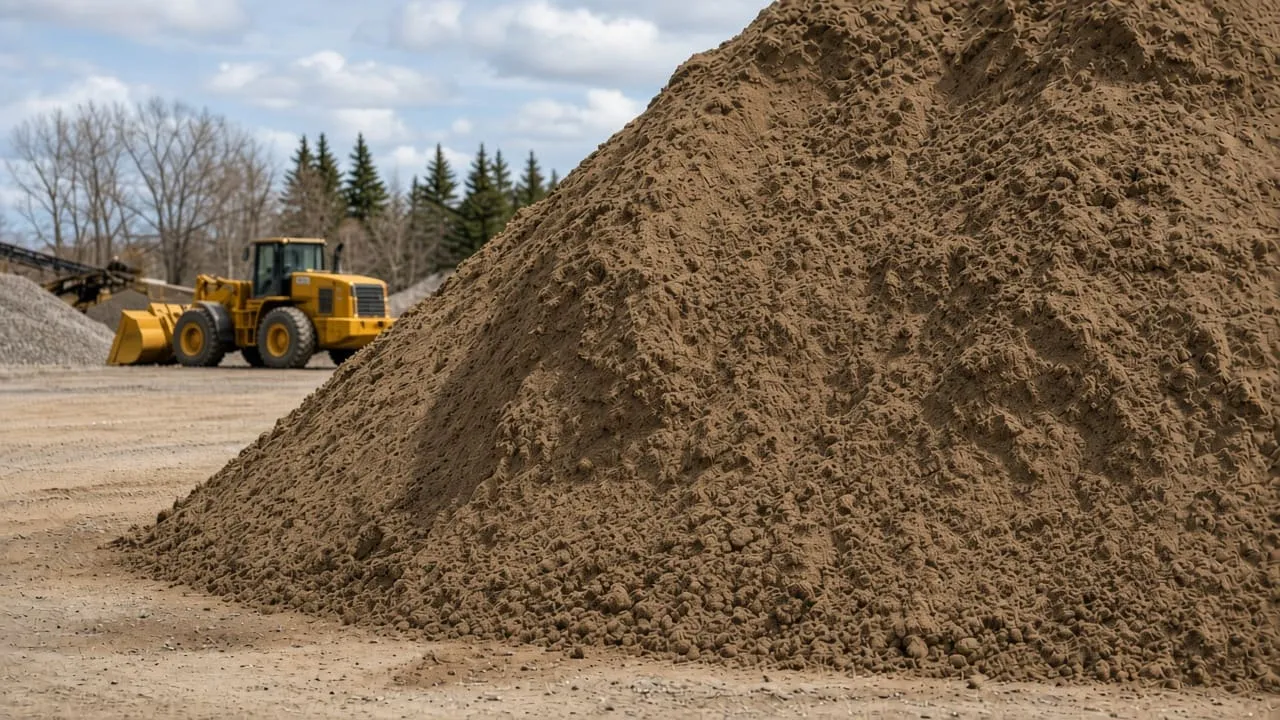
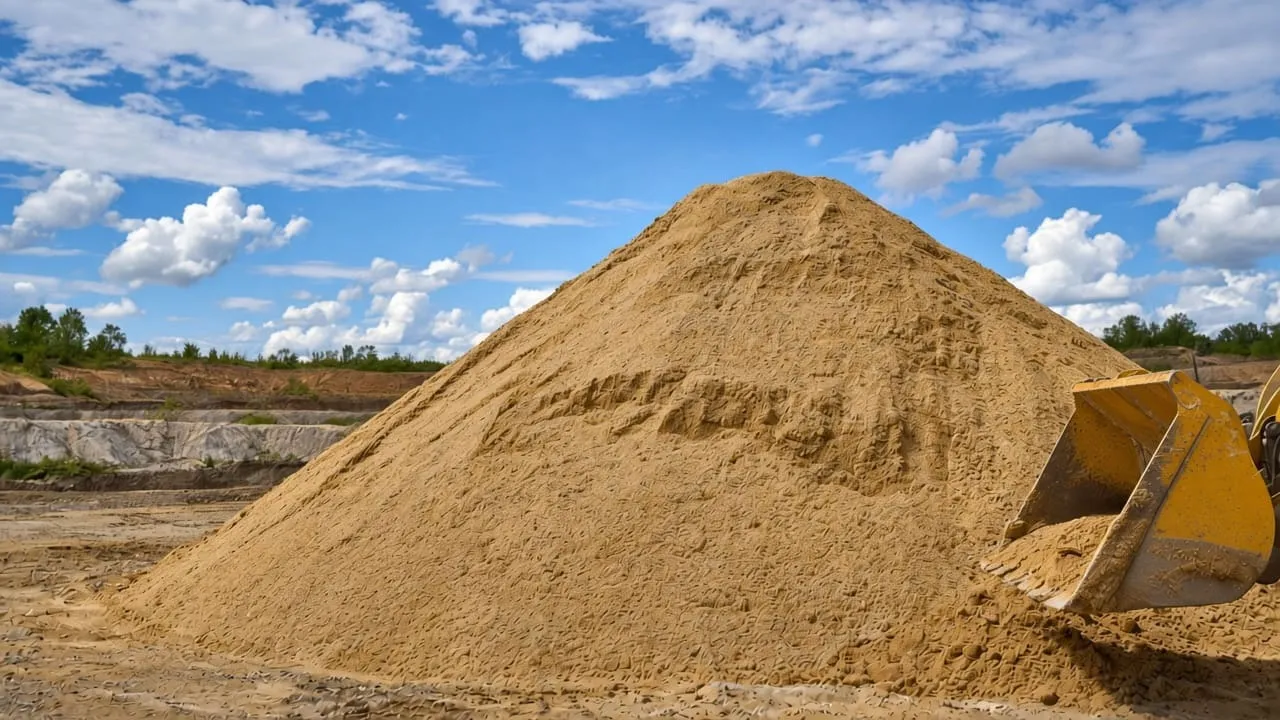
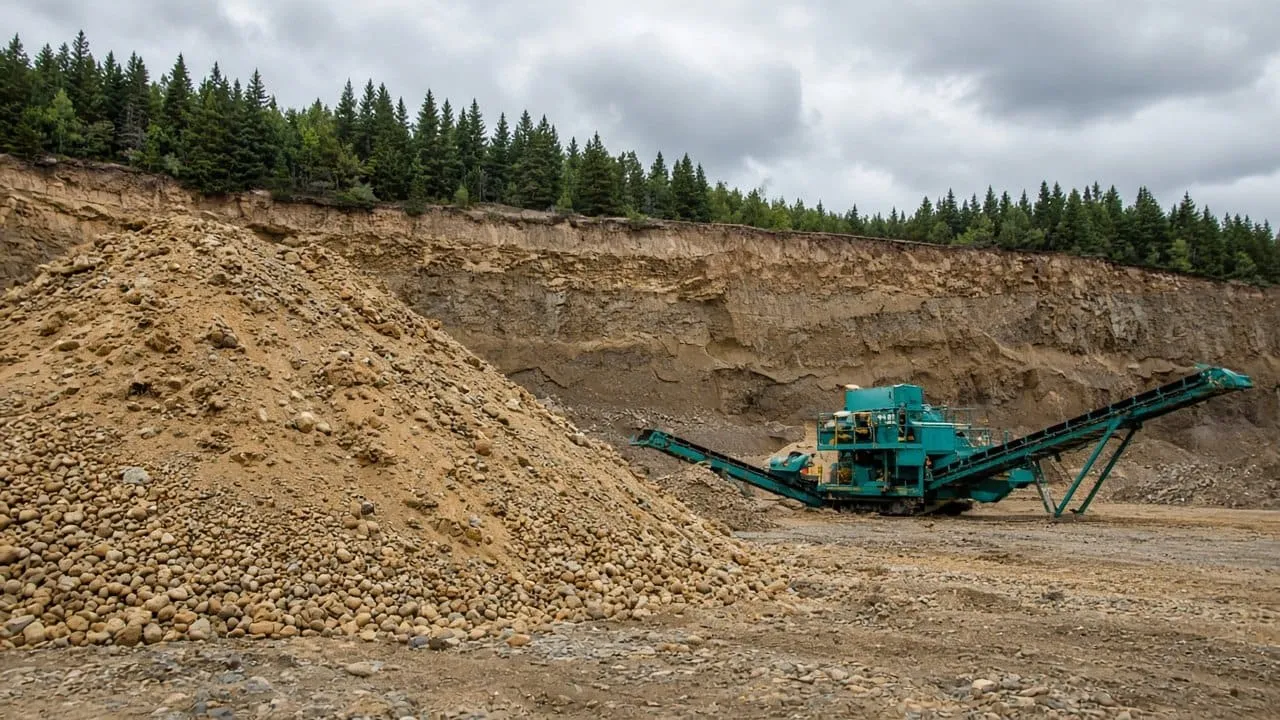
A pile of high binder sand in a gravel yard

High binder sand

Looking for high binder sand? Tell us what you plan to use it for, and ask our team about the material and recommended applications before ordering.

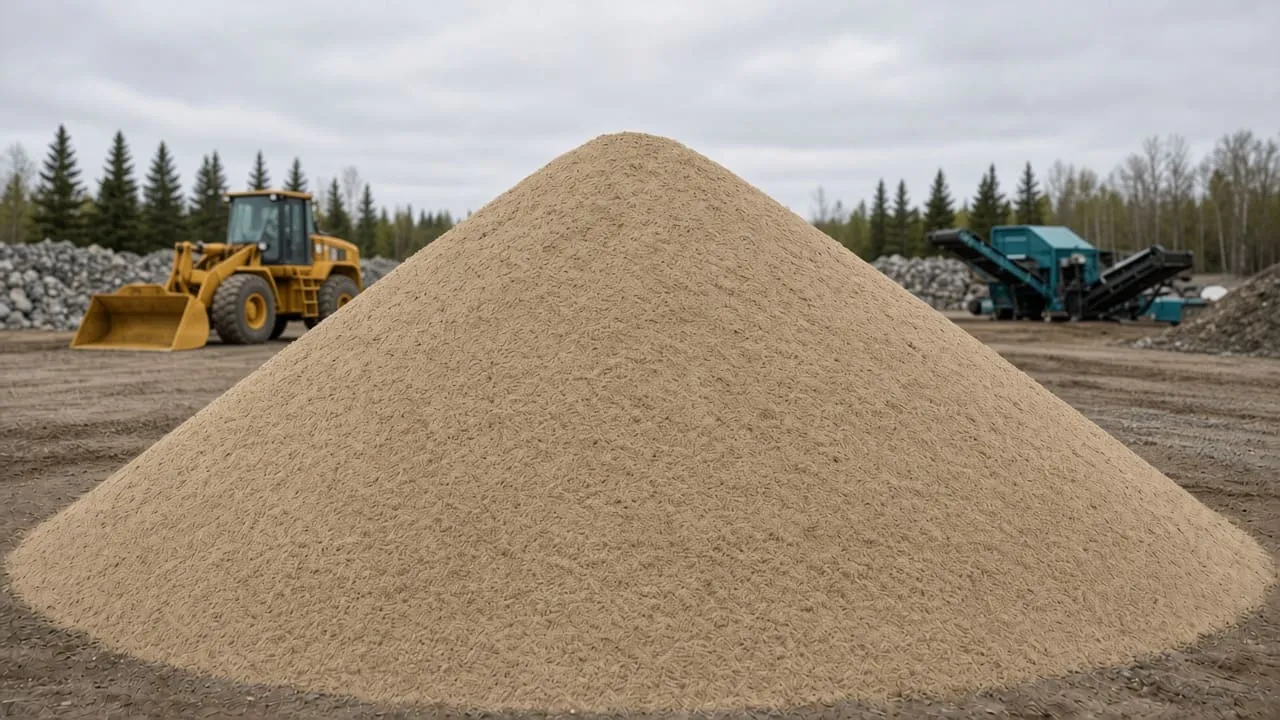
A large stockpile of mound sand beside a loader bucket

Septic mound sand

Mound sand serves as treatment media in a mound septic system, not simply as fill to raise the ground. Particle-size distribution and cleanliness matter to system performance. Match the material to the septic design and required material documentation; ordinary fill sand is not an automatic substitute.

Before you call: Share the septic design and any documentation it requires. If you also need construction, explore our sewer, septic, and mound system services and discuss that scope separately from the material.

A pit-run sand pile with a mobile screener in a gravel pit

Pit run sand

Pit run sand is generally sand-rich material taken from a natural deposit with limited processing. It may contain gravel, silt, clay or other particles. It is commonly considered for bulk filling and grade-building where its actual composition meets the project's requirements, rather than as a substitute for specified treatment or drainage sand.

Before you call: Tell us what the area will support and what will go over the fill. For a broader earthwork project, compare clay and rough fill and discuss site preparation as well as the material itself.

Let’s get the details right

Bring your plan.

  1. Start with the use

    Tell us whether you need septic mound sand, pit run sand, high binder sand, or Animal/Livestock sand. For animals, say whether you need riding-arena footing or livestock bedding. Those requirements differ. If a designer or contractor has specified a material, bring that requirement.

  2. Bring measurements

    Have the area’s length and width and planned depth, or an estimated quantity ready. For a mound, share the amount called for in the plan.

  3. Plan the trip or delivery

    Share your project address, timing, truck access, and where the sand should be unloaded or stockpiled. Ask the crew to confirm current pricing, material details, availability, and pickup or delivery arrangements.

  4. Need the ground prepared, too?

    Explore excavation and site preparation to discuss grading and placement with the material order.

Ready to talk sand?

Sand in multiple sizes: Ask about the size ranges currently available for your application. Bring the written specification when one exists; a product name alone does not describe every requirement.

Get your order details together: Tell us the intended use and sand type, estimated quantity or area dimensions and planned depth, project address, and preferred timing. Mention truck access, the unloading location, and whether you want to discuss pickup or delivery.

Our crew will discuss current material details, pricing, availability, and arrangements with you. If the project also involves moving or shaping ground, explore excavation and site preparation before finalizing the material order.

30315 Neal Avenue · Lindstrom, MN 55045